
Vaccine Comfort Menu
We want every visit to feel as calm and comfortable as possible. Many children feel nervous about shots, and that's completely normal. Whether your child has mild anxiety or true needle phobia, we have tools and strategies to support them at every age.
Browse our Vaccine Comfort Menu
-
Ages 0–3
Comfort Positions
- Holding
- Breastfeeding or bottle feeding (ages 0–1)
- Swaddling on exam table
Additional Comfort Measures
- Dimming the lights
- Pacifier or binkie
- Sweet-Ease (a sugar-water solution that reduces pain and discomfort)

-
Ages 4+
Comfort Positions
- Exam table (lying down or sitting up)
- Chair
- Sitting on parent’s lap
Additional Comfort Measures
- Personal comfort item (toy, blanket, stuffed animal)
- Headphones for music
- Visual distraction (book, tablet, phone)
- Extra helper support (nurse, MA, or family member)

-
Ages 6+ (Available by Request)
Ask us about these additional tools:
- Shot Blocker: A small non-invasive device that minimizes pain
- Buzzy Bee: Uses cold and vibration to distract nerves from the injection
- Cold Spray: Briefly numbs the skin before the shot
- Topical Lidocaine: A numbing cream applied ahead of time (requires longer wait)
- Sour Lollipop: Taste distraction that works well for some children
- Slime or Putty: Sensory distraction for fidgeting
- Behavioral Health Support: Available when appropriate
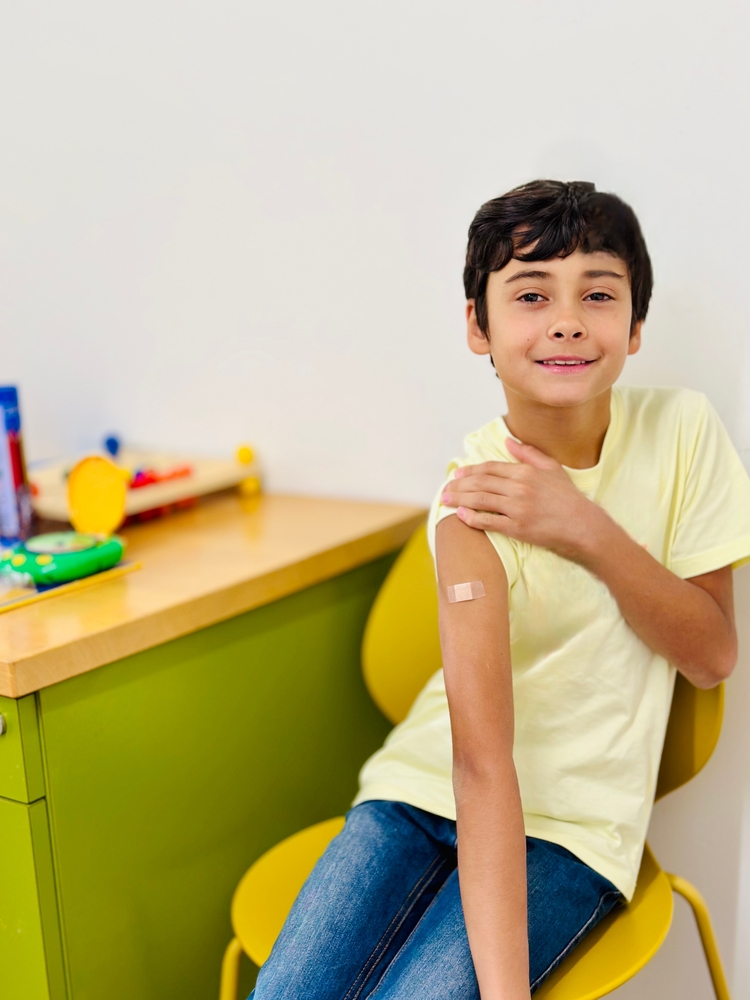
Needle Anxiety vs. Needle Phobia
Understanding the difference helps us help your child. It's completely normal to feel nervous about shots. Approximately two-thirds of children experience some level of fear. For some, that fear becomes needle phobia, a more intense reaction that deserves extra support and planning.

Normal Needle Anxiety
Common in children of all ages:
- Worry or nervousness before the appointment
- Hesitation or crying
- Wanting extra comfort or distraction
- Asking a lot of questions about the shot
What helps:
- Comfort menu options
- Slow breathing practice together
- Giving your child choices (which arm, sitting position, what distraction)

Needle Phobia
A more intense reaction that may include:
- Extreme fear or panic
- Avoiding appointments altogether
- Feeling faint, nauseated, or dizzy
- Rapid heartbeat or sweating
- Freezing or trying to leave
What we can do:
- Extra preparation time
- Step-by-step explanation before each step
- Modified positioning
- Distraction tools
- Muscle-tensing techniques to prevent fainting
- Behavioral health support when available
If your child, or you, experiences needle phobia, please let us know before your appointment. We’ll put a plan together.

What you can do before the visit

Stay Calm
Children pick up on your cues more than you might think. Your calm presence is one of the most powerful comfort tools available.

Be Honest, But Brief
Try: "You might feel a quick pinch, and I'll be right there with you the whole time." Simple, honest, and reassuring.

Practice Together
Try slow breathing, blowing bubbles, or picking a favorite video to watch during the shot. A little practice at home goes a long way.

Bring a Comfort Item
A stuffed animal, blanket, or fidget toy gives your child something familiar to hold onto, and something to focus on.